Roman games were as brutal as they were carefully planned. Behind every gladiator fight and animal hunt in the Colosseum stood a precise routine, a clever system of passageways for up to 50,000 spectators – and hundreds of workers operating machinery below the arena floor.
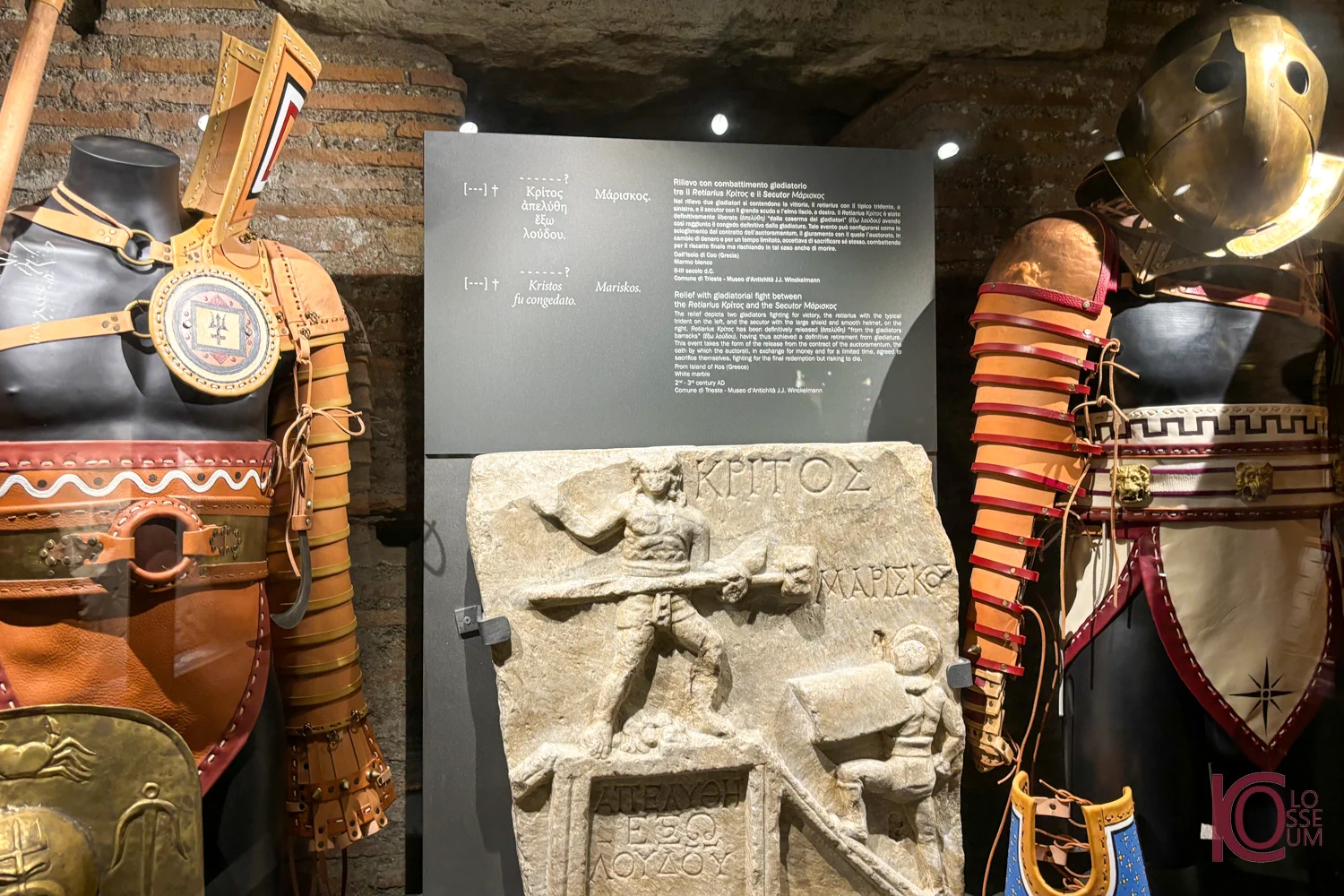
In this report, archaeologist Heinz-Jürgen Beste of the German Archaeological Institute (DAI) in Rome explains what happened on game days: how the events unfolded, what logistics ran behind the scenes, and how the ingenious lift system raised animals and decorations into the arena.

Affiliate Disclosure
Looking for the building phases and the excavation history instead? Read his report on Colosseum archaeology. And if you would like to stand on the arena floor yourself, see our guide to arena and underground tickets.
What happened in the Colosseum: key points
- Audience: an estimated 50,000 spectators found room on the seating tiers
- Games: animal hunts and gladiator fights, with hundreds of wild animals brought in from across the empire
- Crowd flow: a sophisticated system of passageways got people to their seats and out again quickly
- Lifts: driven by rope winches and muscle power, with the last meters covered via ramps that folded down from the arena floor
Report by Heinz-Jürgen Beste, German Archaeological Institute (DAI) Rome
Game days: blood, spectacle and planning
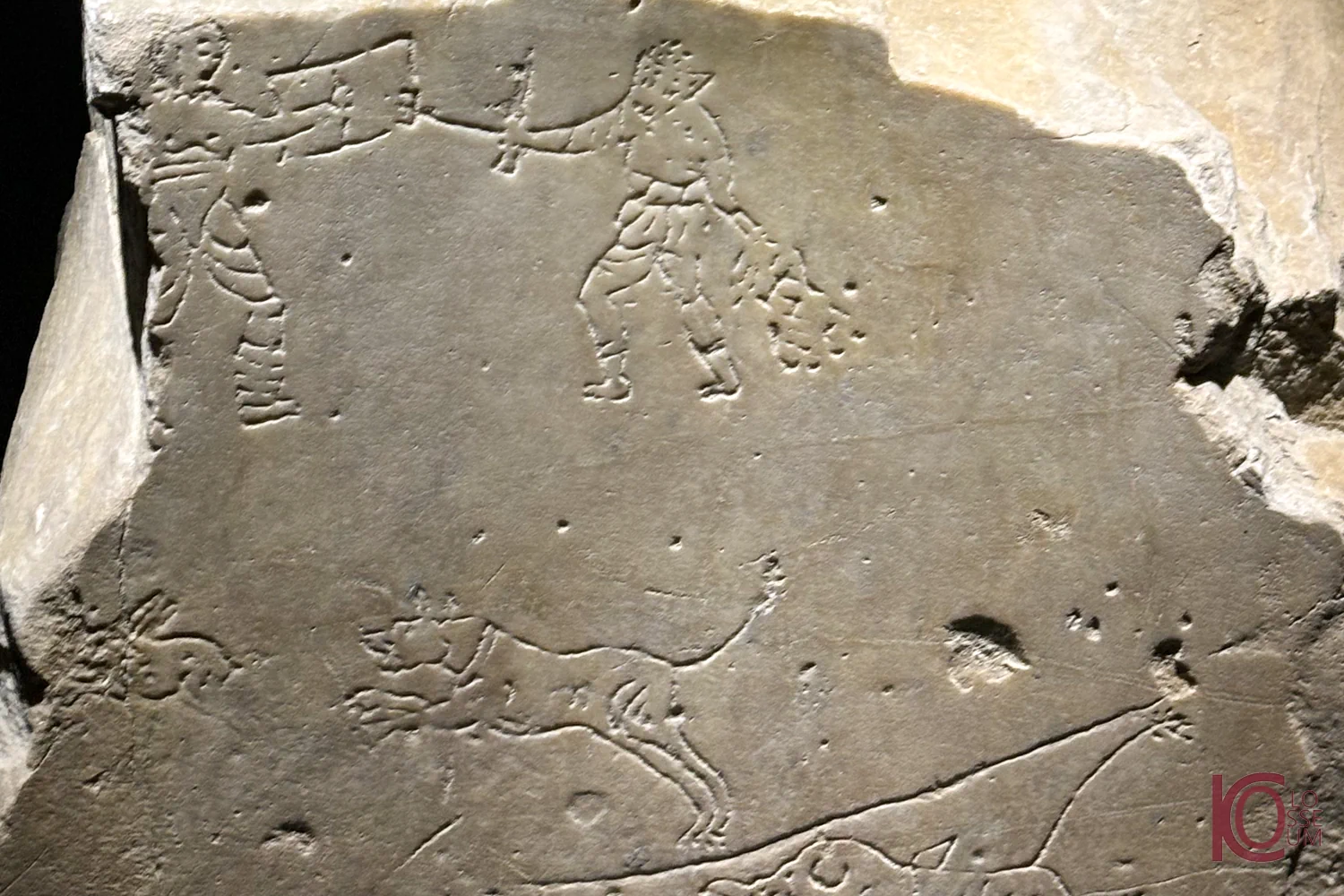
The Romans loved their games: on game days, thousands flocked into the huge arena to watch animal hunts and gladiator fights. It was a bloody pleasure. Death was always close, even if not every fight ended with a death. After all, training gladiators cost time and money, an investment nobody wanted to waste. The effort the emperors, as hosts of the games, went to is immense even by today’s standards: for some celebrations, which could last several days, they had hundreds of wild animals transported from all regions of the empire. Elephants and bears, roe deer, antelopes, wild boars and wolves …
Crowd control for up to 50,000 spectators
As brutal as the games were, their course was well thought out and the infrastructure that made the shows possible was ingenious. An estimated 50,000 people found room on the seating tiers of the Flavian Amphitheater. A sophisticated system of passageways ensured that the crowds reached their seats smoothly and, after the performance, got outside just as quickly.
Behind the scenes: workers and lifts
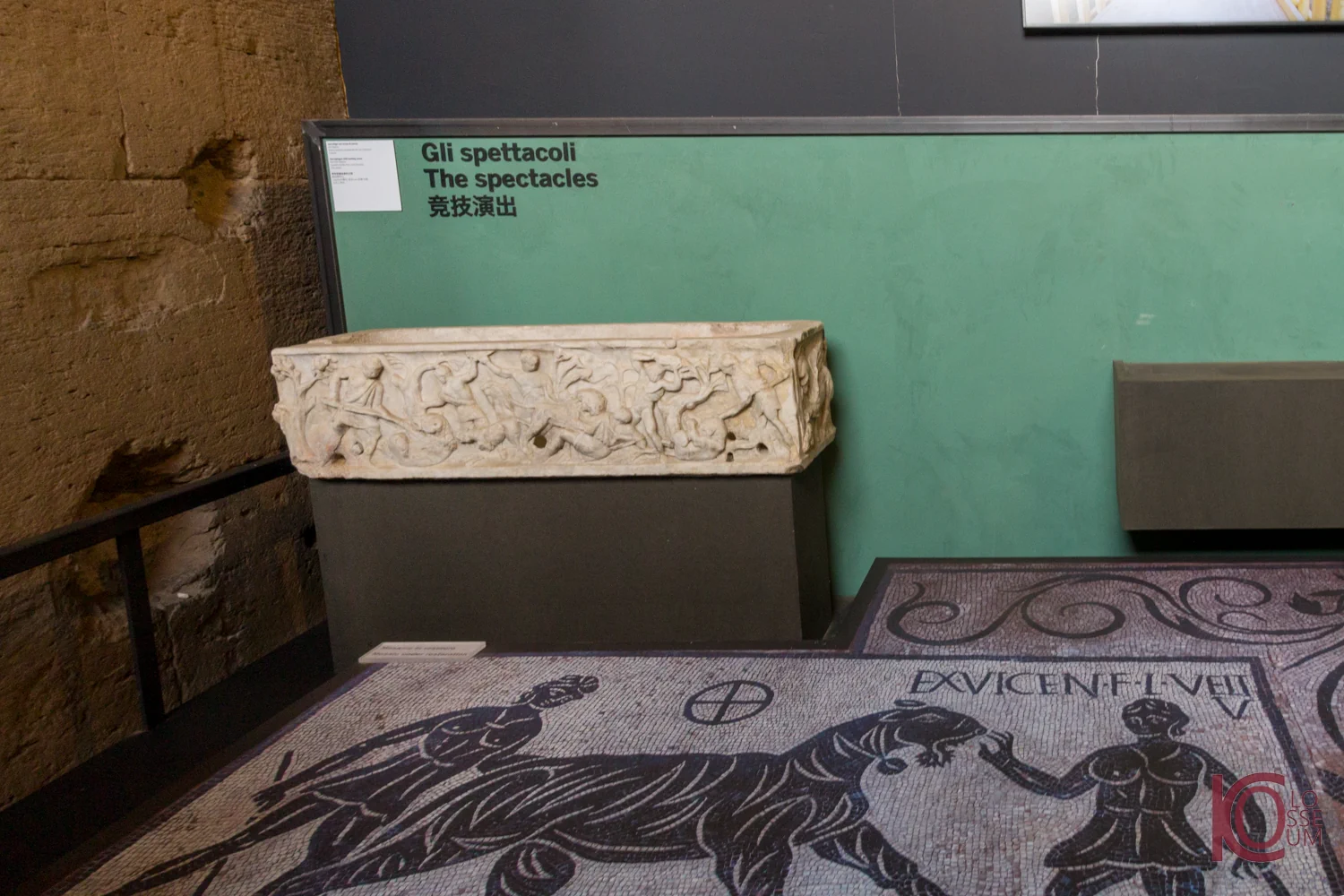
One person’s pleasure was another’s labor. Hundreds of slaves and workers had to make sure in the background that the show went off without a hitch. A sophisticated lift system helped them do so.
In recent years, archaeologists and building researchers from the archaeological heritage office of the City of Rome and the German Archaeological Institute have thoroughly examined the entire basement level. In doing so, they succeeded in bringing some of the secrets of the lifts to light.
How the Colosseum lifts worked
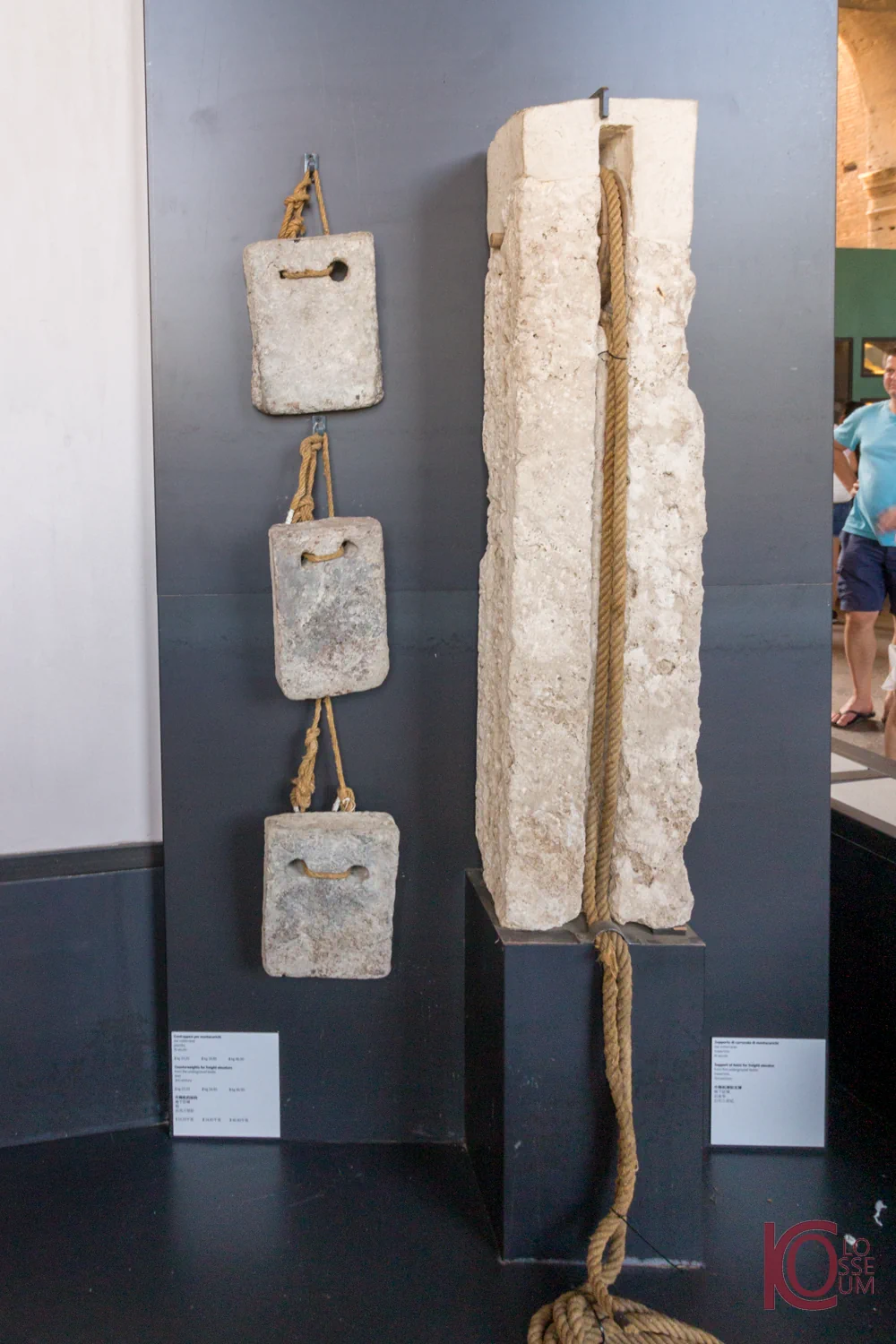
Since neither steam nor electric power existed yet, while muscle power was cheaply available, the lifts were driven by rope winches. So that the lifts would not block the view of the arena, the lift cabins were hoisted only as far as just below the arena floor. The animals covered the last few meters via ramps that could be folded down from the arena floor by means of counterweights.
Why the lifts moved to the center of the arena
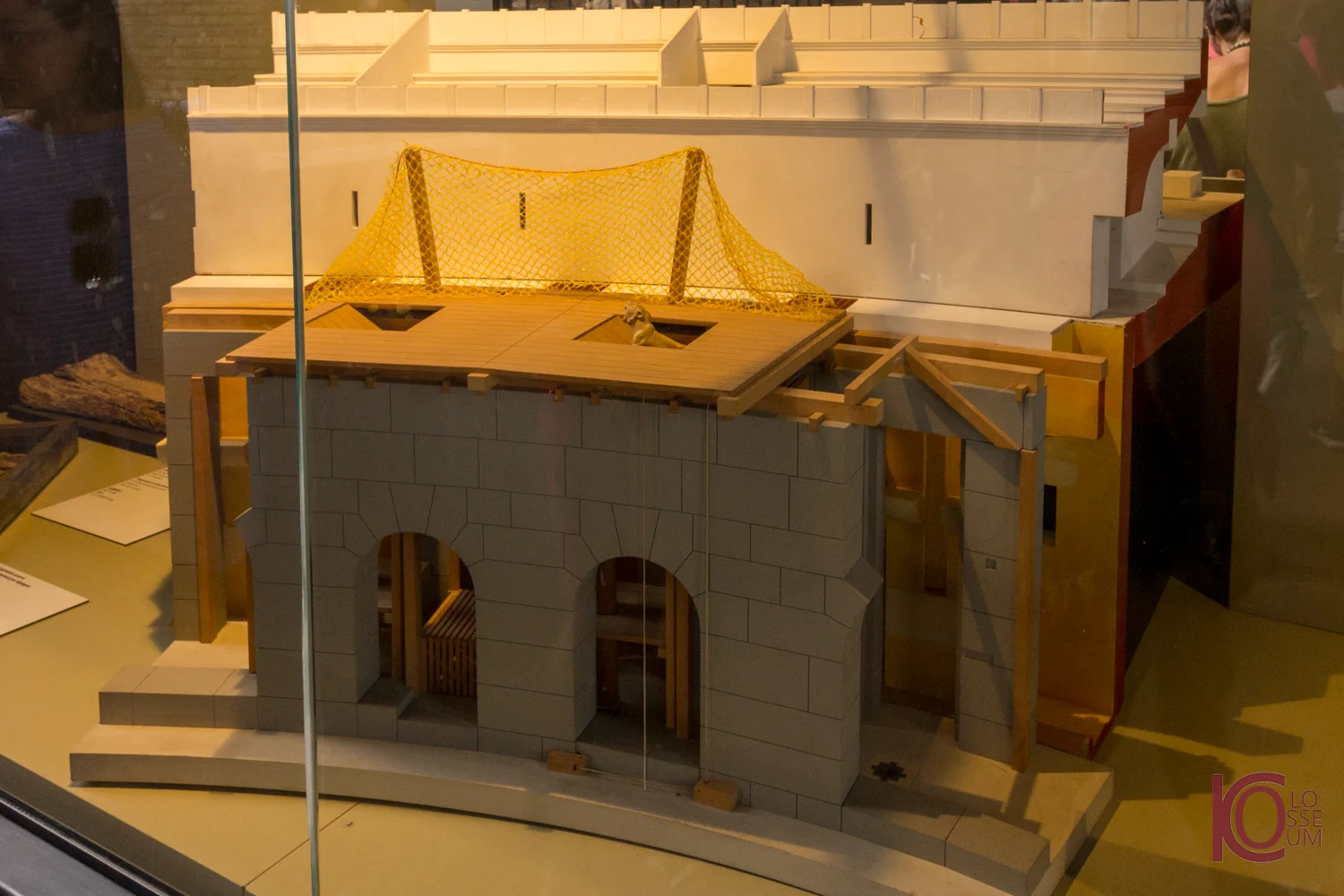
The lift systems of the first phase were not in operation for long. A few years after the opening, the structural stability of the walls supporting the arena had to be improved. In the process, the lifts were relocated to the center of the arena, where they were less prone to failure.
Frequently asked questions about games and lifts in the Colosseum
How many spectators fit into the Colosseum?
An estimated 50,000 people found room on the seating tiers of the Flavian Amphitheater. A sophisticated system of passageways got them to their seats smoothly and, after the performance, out again just as quickly.
What happened on game days in the Colosseum?
Animal hunts and gladiator fights took place in the arena. For some celebrations, which could last several days, the emperors had hundreds of wild animals transported from all regions of the empire, among them elephants, bears, roe deer, antelopes, wild boars and wolves.
Did every gladiator fight end in death?
No. Death was always close, but not every fight ended with a death: training gladiators cost time and money, an investment nobody wanted to waste.
Who worked behind the scenes at the Colosseum?
Hundreds of slaves and workers had to make sure in the background that the show went off without a hitch. A sophisticated lift system under the arena floor helped them do so.
How did the lifts in the Colosseum work?
Since neither steam nor electric power existed yet, while muscle power was cheaply available, the lifts were driven by rope winches. The lift cabins were hoisted only as far as just below the arena floor, so they would not block the view. The animals covered the last few meters via ramps that could be folded down from the arena floor by means of counterweights.
Why were the lifts moved to the center of the arena?
A few years after the opening, the structural stability of the walls supporting the arena had to be improved. In the process, the lifts were relocated to the center of the arena, where they were less prone to failure.
Can I visit the Colosseum underground today?
Yes, but only with the right ticket. The underground is open on a guided tour that comes with the Arena ticket. See our guide to Colosseum arena and underground tickets.
Read more about the Colosseum
- Colosseum History: From Nero’s Lake to a World Wonder – the full timeline from Nero’s lake to today’s restoration
- Colosseum archaeology: building phases, excavations and the hypogeum – another report by Heinz-Jürgen Beste
- Podium and imperial box – new insights into the most prestigious seats
- Colosseum tickets: prices, types and where to buy