Colosseum History: From Nero’s Lake to a World Wonder
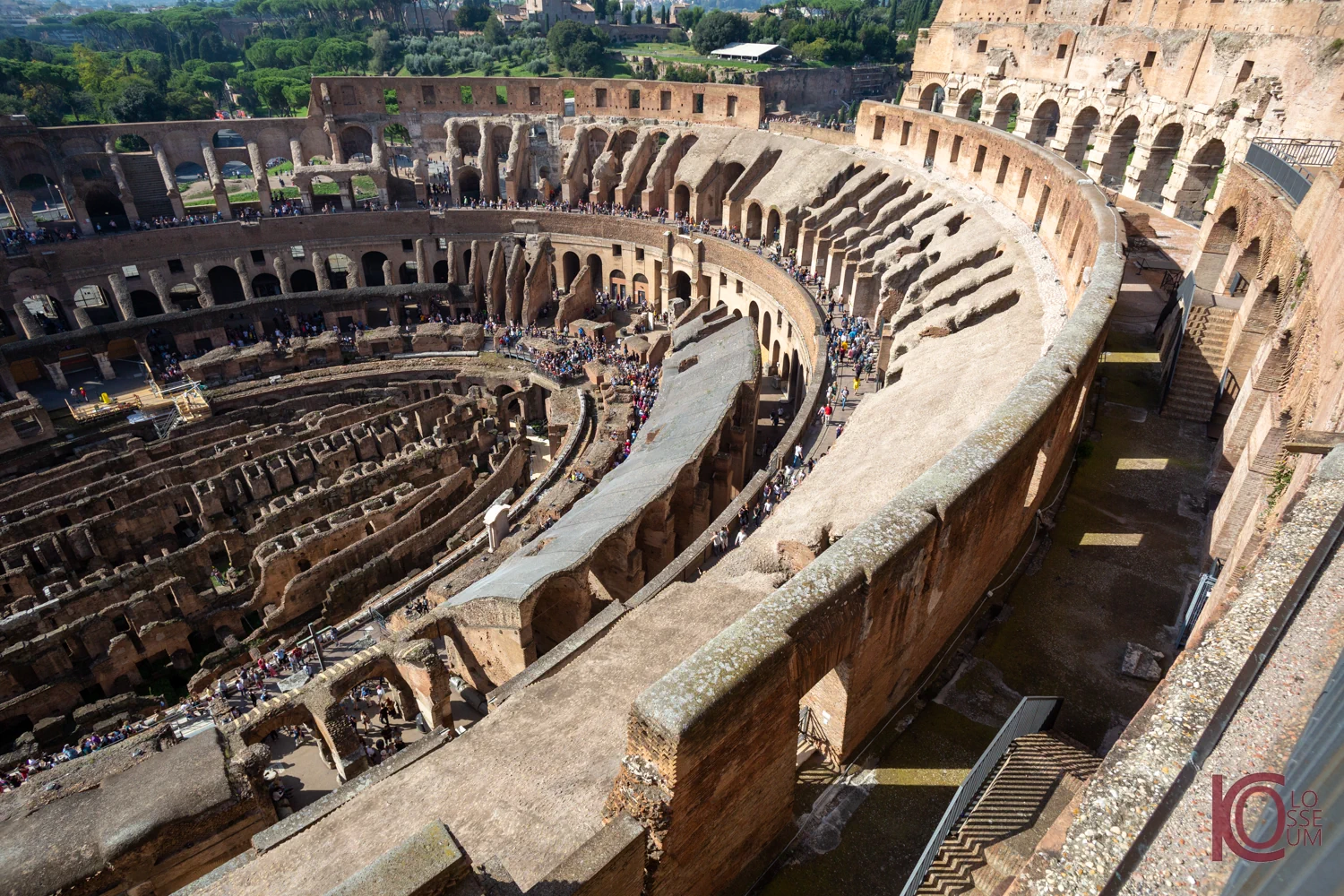
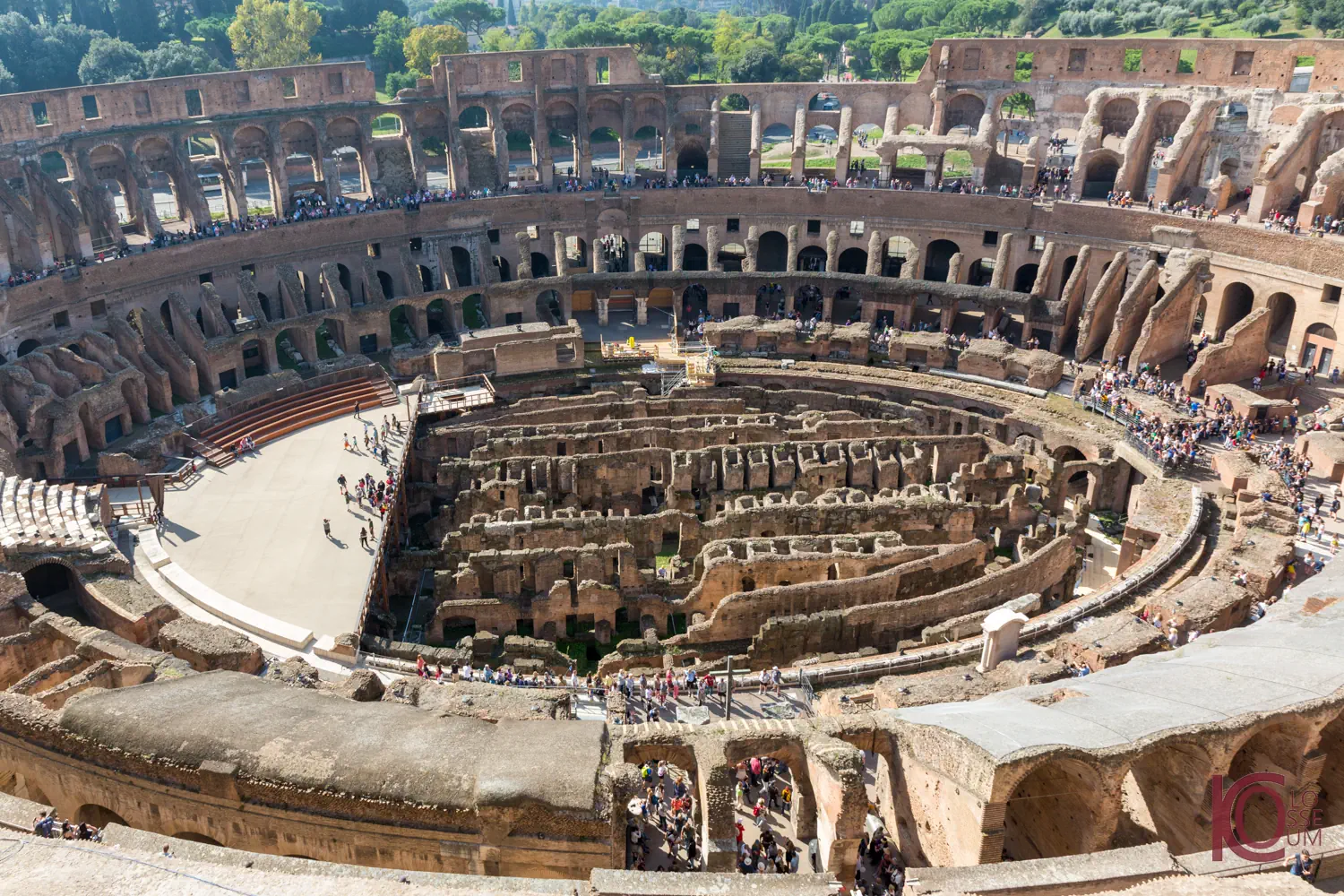
View into the Colosseum from the upper levels

The Colosseum is the largest amphitheater in the world. Construction began in 72 under Emperor Vespasian on the site of an artificial lake that belonged to Nero’s villa, and Titus inaugurated it in 80 with celebrations that lasted 100 days. After centuries of games, repairs, earthquakes and new uses, it is today a UNESCO World … Read more
What Happened in the Colosseum: Games, Logistics and the Ancient Lifts

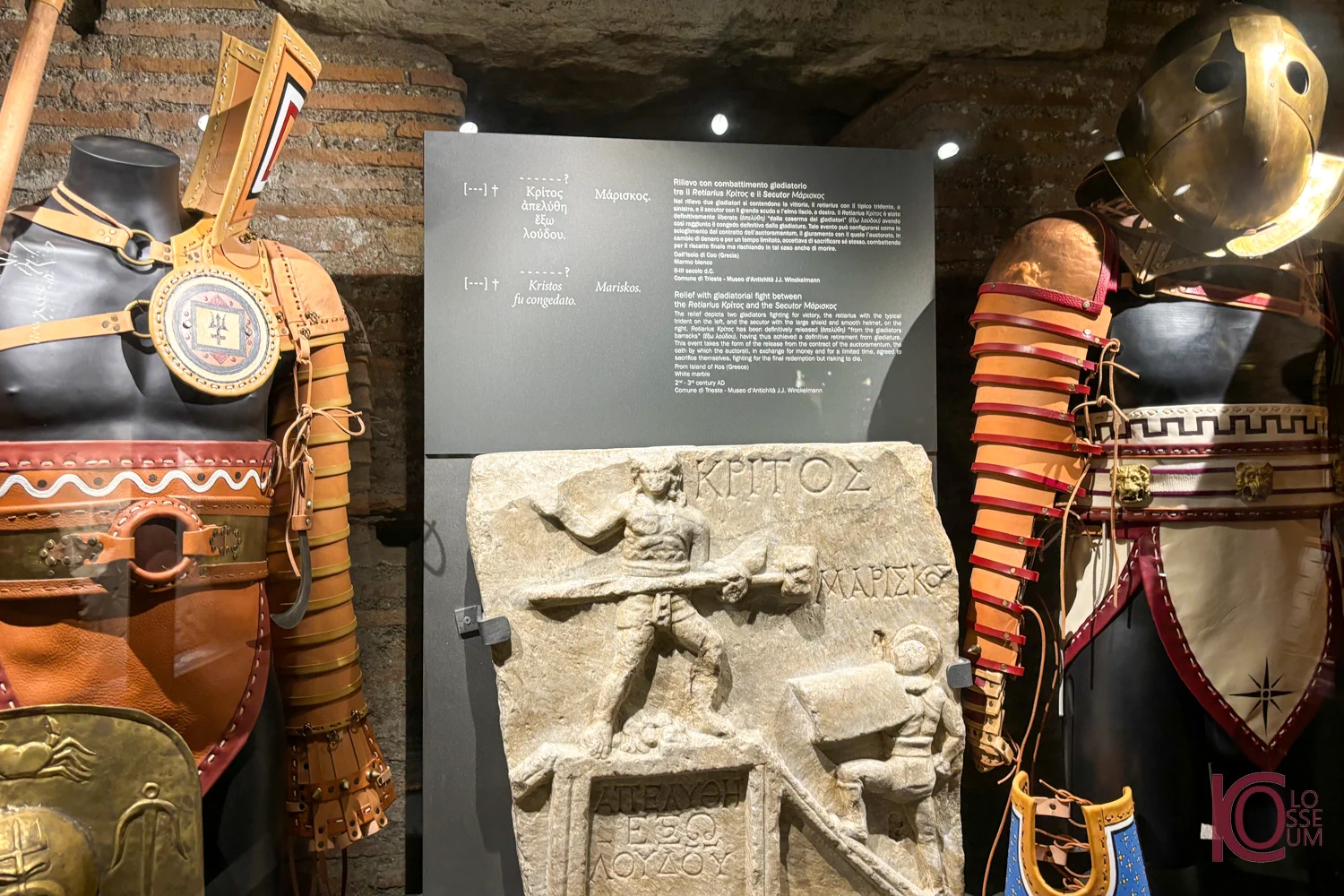
Exhibition of gladiator armor at the Colosseum

Roman games were as brutal as they were carefully planned. Behind every gladiator fight and animal hunt in the Colosseum stood a precise routine, a clever system of passageways for up to 50,000 spectators – and hundreds of workers operating machinery below the arena floor. In this report, archaeologist Heinz-Jürgen Beste of the German Archaeological … Read more

Colosseum Archaeology: Building Phases, Excavations and the Hypogeum

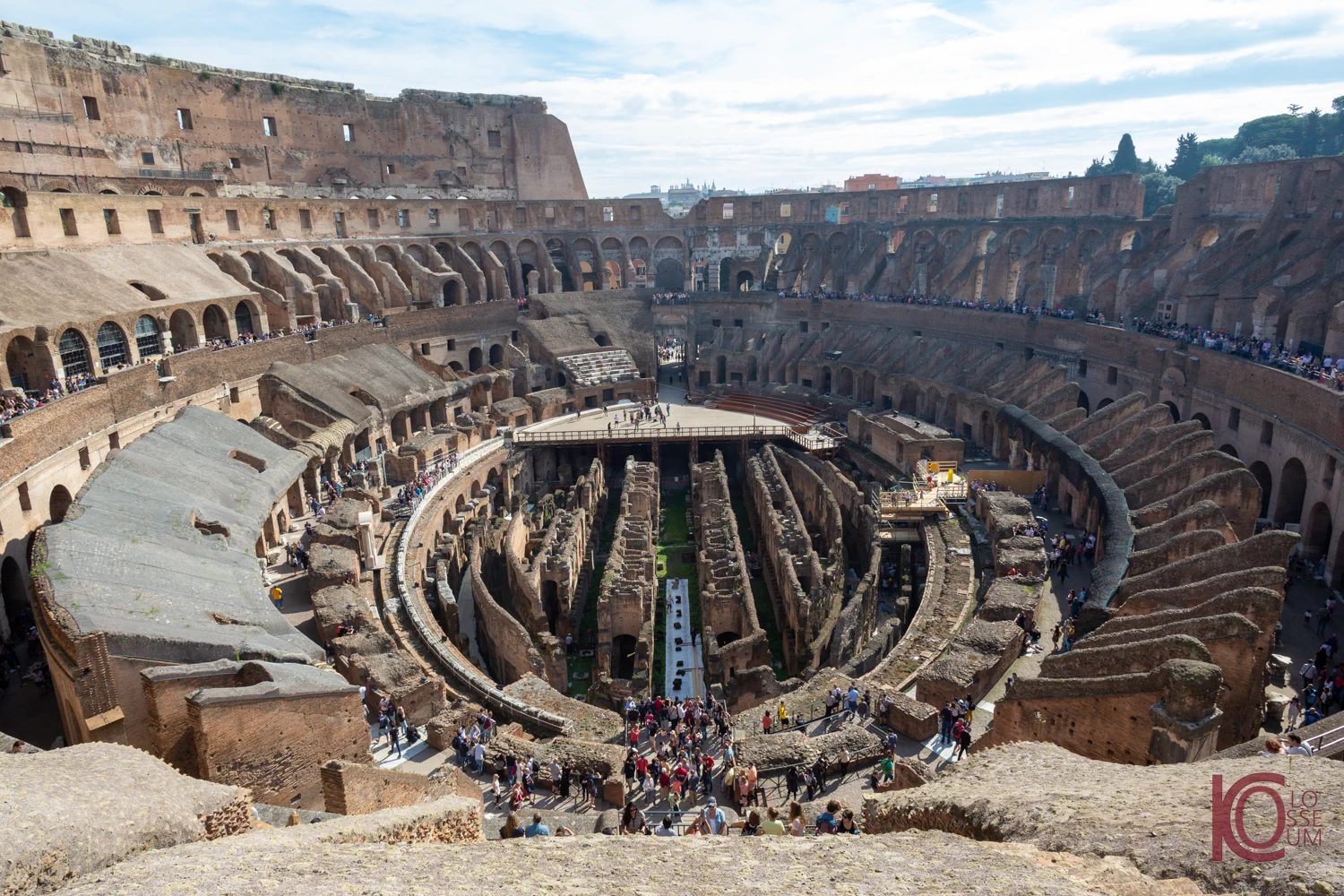
View from the upper levels of the Colosseum down into the arena

The Colosseum is one of the most visited monuments in the world, yet much of what lies beneath its arena remained a puzzle for centuries. Since 1996, archaeologist Heinz-Jürgen Beste of the German Archaeological Institute (DAI) in Rome has been investigating the basement level, the hypogeum, in cooperation with universities and the Rome antiquities authority. … Read more

New insights into the Colosseum: How archaeologists are reconstructing the heart of the arena

Colosseum Archaeology Arena

The Colosseum fascinates millions of visitors every year – and despite its worldwide fame, there are still parts of its architecture that are only now being fully understood. Recent research by Heinz-Jürgen Beste (German Archaeological Institute in Rome) and Rossella Rea (Parco archeologico del Colosseo) now provides crucial clues as to what the most prestigious … Read more